Used Condo Viewing Checklist in Japan: What to Check Inside, in Common Areas and in Management, and How to Use a Building Inspection
A used condo viewing should cover not only the unit but also the common areas and management before you decide. This guide covers viewing order, what to check, matching documents, the building inspection disclosure duty that began in April 2018, and the April 2024 change making condo inspection results valid for 2 years.
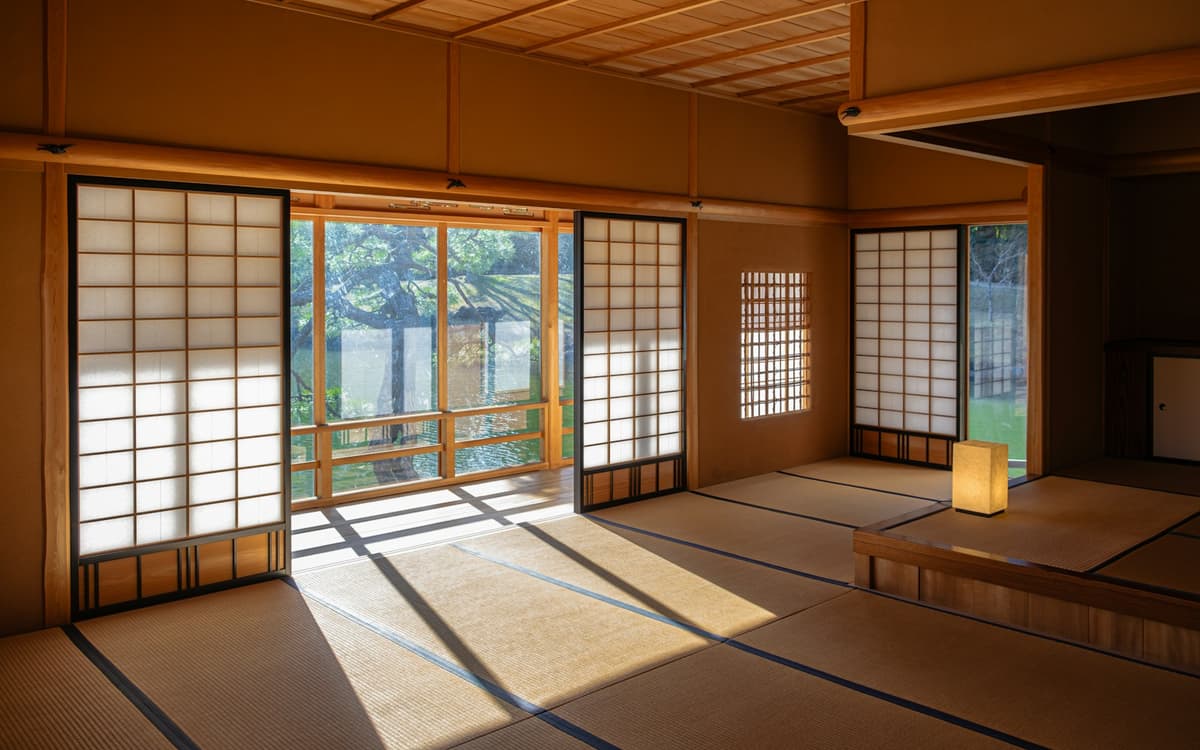
A used condo viewing is both a chance to see whether you like the place and a chance to gather grounds for price negotiation and the purchase decision. Checking not only the damage and sunlight in the unit but also the common areas, how the building is actually managed, and whether documents match what you see reduces post-contract surprises.
This guide is for first-time buyers of used condos. It covers viewing preparation, the order to inspect on the day, matching documents, and how to use a building inspection. The system described follows Ministry of Land, Infrastructure, Transport and Tourism (MLIT) materials.
Before the viewing
Once the date is set, ask the agent for these documents in advance so you can compare them with what you see on site.
- Management rules and usage bylaws (limits on pets, instruments, short-term rentals, renovation)
- The long-term repair plan, plus the repair reserve balance and arrears
- The latest general meeting minutes and the history of major repairs
- Defects the seller knows about and records of past repairs
Note the building age, floor area, management fee and repair reserve for each listing in a table so you can compare properties on the same items. For how to read fees, see Management Fees and Repair Reserves; for documents overall, see Reading the Explanation of Important Matters.
Viewing order on the day
- Exterior and approach: cracks and loose tiles on the exterior wall, rain streaks, and the walk from the station.
- Entrance and common areas: scattered flyers at the mailboxes, whether the notice board is updated, cleanliness of corridors and the garbage area, order at bicycle parking.
- The unit: wet areas, windows, stains on ceilings and walls, how doors and fittings open.
- Surroundings: noise at different times of day, nearby facilities, hazard information.
Common areas show how the management association and management company operate. If cleaning and notices are kept up, agreement on repairs may also be going smoothly.
In-unit checklist
| Location | What to look at | Telltale signs |
|---|---|---|
| Ceiling and walls | Stains, lifting wallpaper | Traces of roof leaks or leaks from the unit above |
| Windows and sashes | Condensation, mold, operation | Insulation performance, sealant deterioration |
| Wet areas | Water pressure, drainage, under-floor storage | Pipe deterioration, leaks |
| Floors | Slope, creaking, sinking | Damaged subfloor |
| Ventilation and equipment | Water heater age, exhaust fan | Replacement timing |
| Entrance and balcony | Waterproofing, drains | Boundary with common property |
Balconies, windows and entrance doors are often common property rather than part of the private unit, and repair or replacement follows the management rules. Always confirm in the rules what renovation you can do yourself.
Matching documents
Test your impressions against figures in the documents.
- Whether the repair reserve is sufficient for the long-term repair plan. If not, future increases or special assessments are possible.
- When the last major repair was done and when the next is planned. Whether it was just completed or the cost is coming soon changes your burden after purchase.
- Any arrears in management fees and reserves. Heavy arrears make repair plans hard to carry out.
- Building age and seismic standards. Buildings that received building confirmation on or after June 1, 1981 are subject to the new seismic standards.
Using a building inspection
According to MLIT, since April 1, 2018, the result of a building inspection performed by a certified existing-housing inspector under the method standard has been subject to the real estate agent's explanation of important matters. The inspection visually and otherwise checks the structural parts and the parts that keep rainwater out for deterioration or defects.
| Item | Details |
|---|---|
| Effective date | April 1, 2018 (made subject to the explanation of important matters) |
| Who inspects | Certified existing-housing inspector |
| Main targets | Structural parts; parts that keep rainwater out |
| Validity of condo results | Less than 2 years from the survey (April 1, 2024 amendment; previously 1 year) |
| Brokerage agreement form | A field for the reason when inspection referral is marked "none" (same amendment) |
The inspection centers on visual checks and does not guarantee against every defect. Results can serve as a negotiating point and as a basis for discussing the scope of liability for contract nonconformity. For handling post-contract trouble, see the Buyer's Guide to Contract Nonconformity Liability.
After the viewing
- Organize what you saw and your concerns in notes and photos the same day.
- Confirm suspected defects in writing with the seller or agent.
- For a property you like, discuss having a building inspection done. Fees vary by scope and company, so get a quote.
- Compare several properties in the same table and decide the price and terms of your purchase offer.
Frequently Asked Questions
QWhat should I check at a used condo viewing in Japan besides the unit itself?
Check the common areas, such as the entrance, corridors, garbage area and bicycle parking, plus notice boards and management conditions. Common areas show the quality of the management association's operation, which affects future reserve-fund increases and asset value.
QWhat is a building inspection in Japan, and since when must its results be disclosed?
A building inspection is a visual survey of the structural parts and the parts that keep rainwater out, done by a certified existing-housing inspector following the national method standard. Since April 1, 2018, when one is carried out its result is subject to the real estate agent's explanation of important matters.
QFor how many years after the survey are condo inspection results subject to disclosure in Japan?
According to the Ministry of Land, Infrastructure, Transport and Tourism (MLIT), since the April 1, 2024 amendment to the Building Lots and Buildings Transaction Business Act enforcement regulations, results for condominiums (RC construction and similar) must be less than 2 years old. The previous limit was 1 year.
QWhich documents should I ask the agent for before a viewing in Japan?
Besides the important-matters materials, ask for the management rules, the long-term repair plan, the repair reserve balance and arrears, and the latest general meeting minutes. Comparing what you see with the documents reveals management quality that building age alone does not show.
Sources
Talk to us even if you don't know where to start
Buying, selling, financing, property management and inheritance planning. Practitioners will propose an approach tailored to your situation.
Related Articles

Breach-of-Contract Liability for Defects: What a Buyer Can Claim, and by When, After Buying a Used Home in Japan (November 2026)
Under the Civil Code amendment effective April 2020, a buyer of a property that does not match the contract can demand repair, a price reduction, damages or cancellation. Notice is due within one year of discovery. This guide uses an illustrative calculation and explains how rules differ for individual and licensed-dealer sellers.
Condo Management Fees vs. Repair Reserve Funds: The Difference, the ¥13,054 Monthly Average, and Level vs. Step-Up Funding (MLIT Data)
Management fees cover day-to-day upkeep; the repair reserve fund pays for future major repairs. MLIT's 2023 survey found an average reserve of ¥13,054 a month and about 37% of associations underfunded. Guideline benchmarks and 30-year funding examples show what to check before buying.

How to Read the Explanation of Important Matters: Eight Items to Check Before Signing and the Points Buyers Overlook (2026 Edition)
The Explanation of Important Matters is the last line of defense before you commit to a deal, delivered by a licensed real estate transaction agent before signing. This guide covers eight items to check, from registry and zoning to infrastructure, hazard risk and contract terms, plus how to read condo management fees and reserve funds.
Amended Condominium Ownership Act in Force from April 1, 2026: Majority of Those Present, 3/4 Rebuilding and Whole-Building Renovation Votes, and What They Mean for Condo Investors (November 2026)
The amended Condominium Ownership Act (Act No. 47 of 2025), aimed at easing management and renewal of aging condos, took effect on April 1, 2026. This article covers majority of those present, exclusion of missing owners, 3/4 votes for rebuilding, sale and renovation, and court-appointed administrators.
What Is Condominium Unit Investment? (Buying One Unit in a Condo Building to Let; a Small Entry Ticket, but Zero Income When Vacant)
Condominium unit investment means buying a single unit (the exclusive area) in a condominium building and letting it. It needs less capital and is more liquid than a whole building, but the owner pays management fees and repair reserve contributions, and income drops to zero when the unit is empty. We explain the amended Unit Ownership Act effective April 2026 and give a worked cash flow example.
Condo Investing and Reserve Funds: Using MLIT's Per-Square-Meter Benchmarks, a Step-Up From ¥6,000 to ¥21,000 a Month Cuts Net Yield by About 0.6 Points
Reserve fund contributions (shuzen tsumitatekin) weigh heavily on a condo's net yield, and the step-up schedule often raises them sharply after purchase. Using MLIT's guideline (revised June 2024) and the 36.6% of associations whose reserves fall short of plan (FY2023 survey), this article models a ¥28 million unit as monthly contributions rise from ¥6,000 to ¥21,000.
Comments
Comment guidelinesMembers can comment on this article. Every comment is checked by AI before it is published.
Sign in to comment